Selling a Hope Ranch estate is rarely just about tidying up a home and scheduling photos. In this part of Santa Barbara, presentation, paperwork, access, and local rules all work together. If you want a smoother sale and a stronger first impression, it helps to prepare with both the property and the Ranch in mind. Let’s dive in.
Why Hope Ranch prep is different
Hope Ranch has a distinct physical and regulatory setting. The Hope Ranch Park Homes Association describes the area as 773 lots across 1,863 acres between Highway 101 and the ocean, with private roads, bridle trails, and rules that have shaped the community since the early 1920s.
That matters when you prepare an estate for market. Exterior work, traffic flow, signs, landscaping, and visible improvements can all affect how smoothly your listing comes together. In Hope Ranch, a successful sale often depends on getting the details right before the home goes live.
Start with a full pre-listing review
Before you invest in cosmetic updates, take inventory of the property as a whole. Older estate homes often have additions, pools, decks, guest areas, landscape features, or exterior changes that may need documentation.
A practical first step is to verify permit history by parcel through Santa Barbara County resources. The county provides permit-history and parcel-detail tools, which can help confirm whether prior work was properly recorded before you market the property.
This review helps you make better decisions about what to improve now, what to disclose, and what to leave as-is. It can also reduce surprises once buyers begin inspections and due diligence.
Focus on visible improvements first
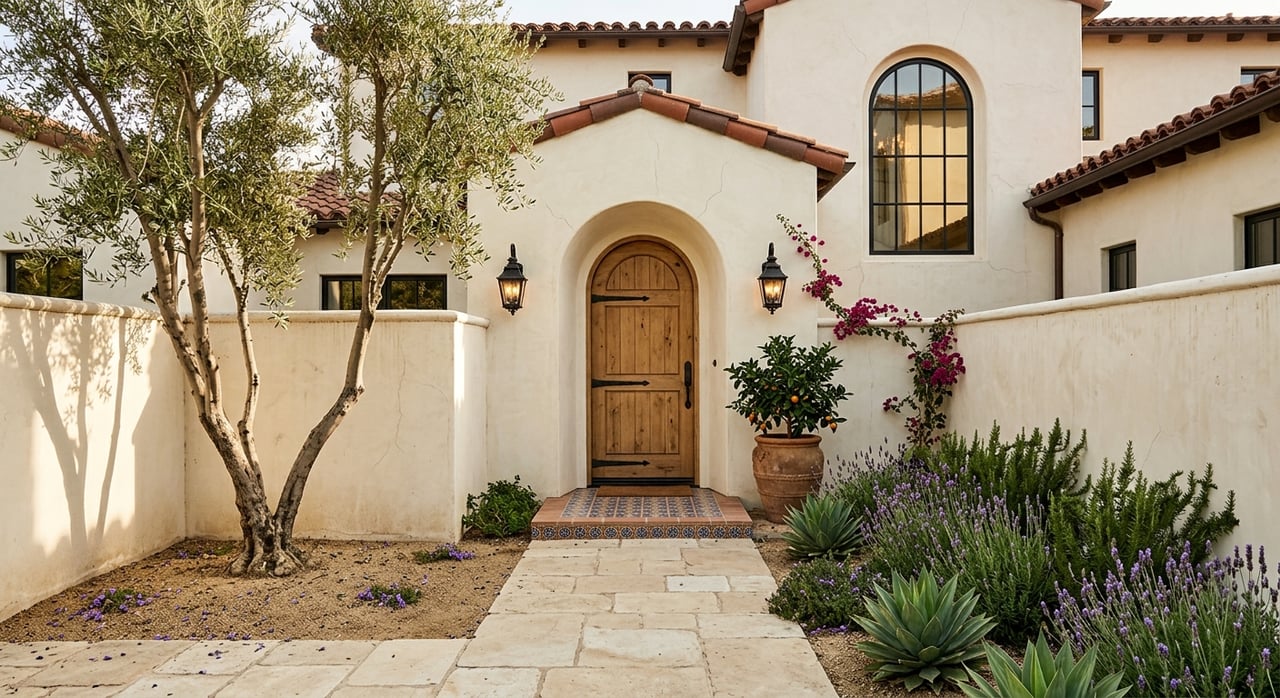
In Hope Ranch, exterior condition often drives the first impression. The Association’s building guidelines require structures and landscaping to be maintained in a high state of repair, so deferred maintenance outside the home can stand out quickly.
For many sellers, the highest-value work includes:
- Repairing worn exterior finishes
- Refreshing paint where needed
- Cleaning hardscape and entry areas
- Trimming overgrowth near roads, driveways, and trails
- Removing visible storage, equipment, or clutter
- Improving landscape order and consistency
This kind of work supports both curb appeal and compliance. It also helps your property present well in photography, drive-by visits, and private showings.
Pay close attention to landscaping
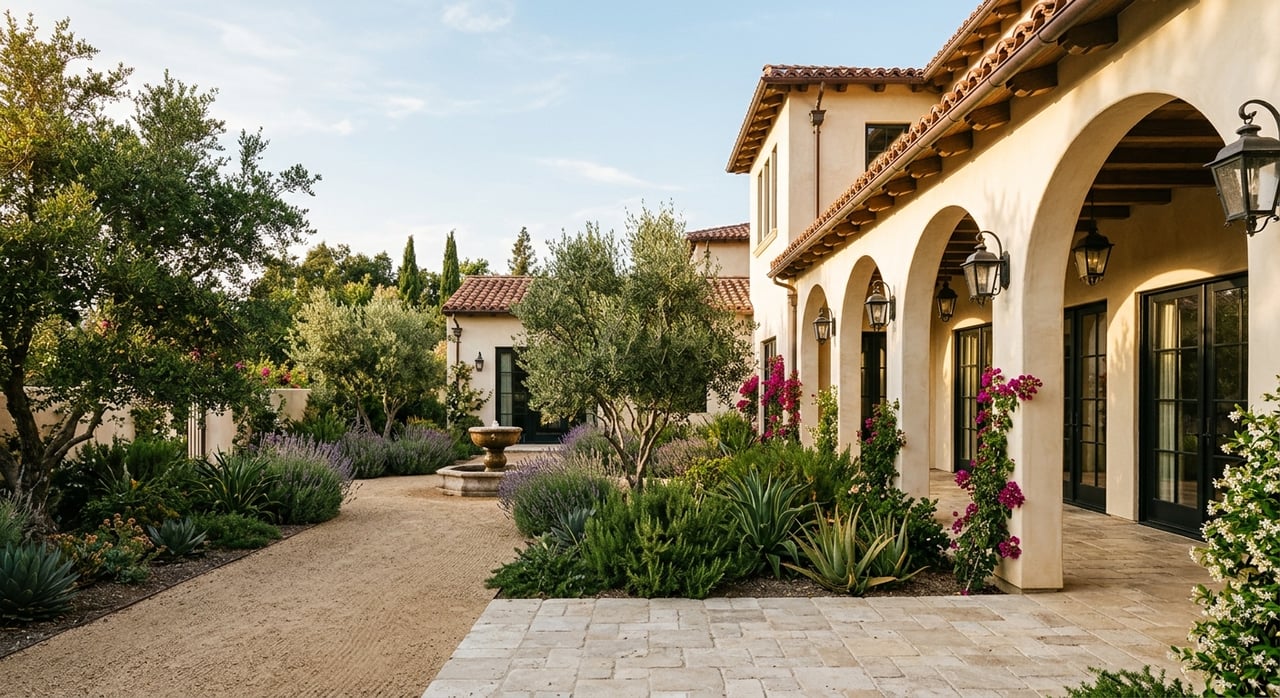
Landscaping does more than beautify a Hope Ranch estate. It also affects sightlines, views, privacy, fire safety, and how the property is experienced from common areas and neighboring parcels.
Hope Ranch guidelines say plantings should not block road, driveway, or bridle-trail sightlines. They also note that mature-tree plantings may require review when trees are 24-inch box or larger, or when trunks are 3 inches or more in diameter, because new plantings can affect protected views.
That means a rushed landscape upgrade is not always the right move. If you are considering new trees, major reshaping, or exterior changes visible from outside the parcel, it is wise to confirm whether review is needed before work begins.
Fire-safe landscaping should be part of sale prep
Fire safety is a major local issue in Hope Ranch. The building guidelines state that the Santa Barbara County Fire Department has designated the Ranch a high fire-hazard zone, and they recommend thinning dense vegetation, removing dead fuel, and keeping brush and combustible growth back within 100 feet of structures.
CAL FIRE also recommends defensible space up to 100 feet, along with home-hardening measures such as clean roofs and gutters and ember-resistant vents. For sellers, this creates a practical checklist that can improve presentation and show buyers the property has been thoughtfully maintained.
Useful pre-listing fire-safety steps may include:
- Removing dead branches and plant debris
- Thinning dense vegetation near the home
- Clearing roofs and gutters
- Cutting back brush near structures
- Checking vents and exterior openings
- Cleaning up wood piles or combustible storage
Understand HOA review and operating rules
Hope Ranch is not a place where listing prep should happen in a vacuum. The Association’s rules state that essentially all exterior construction or renovation requires review by the building administrator, and the building guidelines add that changes to exterior appearance and other visible work may also trigger approval.
Even when work seems minor, timing and coordination matter. Repainting in a similar color generally needs no approval, while color changes may require review. Exterior lighting should also be shielded or deflected to reduce light trespass.
The Ranch’s operating rules can also affect the logistics of getting a property market-ready. The area is treated as a pedestrian and equestrian environment with blind spots and corners, most roads have a 25 mph speed limit, overnight parking on association roads is prohibited, and sign posting is limited.
Plan vendors and showings carefully
Those rules have real-world implications during listing prep. Photographers, stagers, landscapers, contractors, and moving crews should be scheduled with access and parking limits in mind.
Open-house planning also needs care. Hope Ranch allows only one temporary open-house sign at or near the driveway, so broad directional signage is not an option. In many cases, private showings and carefully managed appointments create a more polished experience anyway.
Modernize strategically, not reactively
If your estate home is older, you may be tempted to update everything before listing. In practice, the safest sequence is often simpler: verify permit history, document prior work, then decide which upgrades are worth doing.
This approach helps you avoid creating permit or disclosure problems late in the process. It also keeps your budget focused on improvements that support value and marketability.
From a presentation standpoint, the best updates are often the ones that make the home feel well-kept, functional, and visually cohesive. A polished exterior, orderly grounds, refreshed finishes, and clear documentation usually do more for buyer confidence than an overly ambitious last-minute renovation.
Prepare disclosures early
In a Hope Ranch estate sale, buyers often expect a clean paper trail as much as a beautiful home. California’s Transfer Disclosure Statement must be delivered as soon as practicable and before title transfer, and if disclosure is delivered after an offer is signed, the buyer may have a short termination right depending on how delivery occurred.
That is one reason early preparation matters. Gathering disclosures before going live can make your listing feel more organized, reduce delays, and help serious buyers move forward with confidence.
Key documents to assemble before listing
Depending on the property, your pre-listing file may include:
- Transfer disclosure materials
- Permit history and records of prior improvements
- HOA governing documents and current rules
- Budget, reserve, assessment, and notice materials required under California Civil Code section 4525
- Parcel-specific natural hazard disclosure information
- Structural pest information, if obtained
- Environmental disclosures relevant to the property
For homes in a common-interest development, California law requires sellers to provide governing documents, budget and reserve materials, current assessments and fines, unresolved violation notices, rental restrictions if any, and other association documents to a prospective purchaser. Hope Ranch rules are especially important because they include rental restrictions, sign rules, and other use limitations a buyer will want to understand.
The current rule book prohibits rentals for less than 30 days and treats vacation-rental platforms as commercial use. If your estate may appeal to second-home or investment-minded buyers, it is important to present that information clearly rather than leave room for assumptions.
Do not overlook parcel-specific risk information
Natural-hazard disclosure should be based on the actual parcel, not the broader neighborhood image. The California Department of Real Estate explains that Natural Hazard Disclosure can include flood hazard areas, inundation zones, very high fire-hazard severity zones, state responsibility areas, earthquake fault zones, and seismic hazard zones.
Santa Barbara County also maintains flood-hazard inquiry resources for unincorporated parcels and a coastal bluff-hazard page. For a Hope Ranch property, verifying the parcel’s actual exposure is more useful than relying on general impressions.
If the property has a septic system, Hope Ranch guidelines state that a county inspection is required when the property is sold and that a copy of the report must be submitted to the Association. That is another reason to organize the property file early rather than wait until escrow.
Handle older-home disclosures with care
Older estates often come with layers of history, and that history should be reviewed thoughtfully before marketing begins. For most pre-1978 housing, federal lead-based paint disclosure rules apply, including disclosure of known lead information and a 10-day period for a buyer to conduct a paint inspection or risk assessment.
California disclosure guidance also notes that environmental hazards relevant to a Transfer Disclosure Statement can include asbestos, radon, lead-based paint, formaldehyde, fuel or chemical tanks, and contaminated soil or water. Structural pest reports can also help limit liability when handled properly.
This does not mean every older home needs major correction before sale. It does mean you should prepare the information carefully so buyers understand the property and the transaction can move forward with fewer surprises.
Use photography and aerials thoughtfully
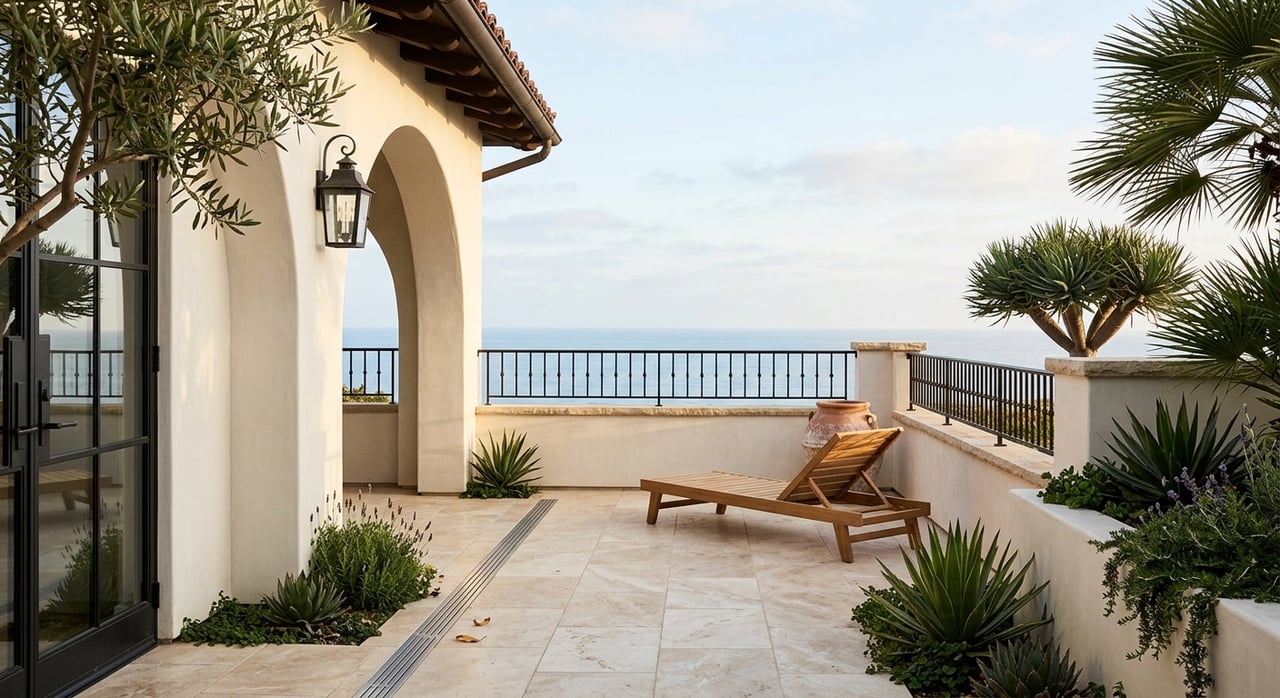
Hope Ranch estates often benefit from beautiful visual marketing. Wide compositions, strong street-level photography, and aerial context can help communicate scale, setting, and the relationship between the home, grounds, and coastline.
That said, estate marketing here requires extra care. FAA Part 107 rules apply to commercial drone use, including requirements related to registration, visual line of sight, remote pilot certification, and operating safety.
Local Hope Ranch rules add another layer. The rule book states that the landing of any type of aircraft is prohibited in Hope Ranch, and privacy and security concerns are built into the Ranch’s rules around adjacent properties and common areas.
Build the marketing plan around local constraints
For sellers, the takeaway is simple: visual marketing should be coordinated in advance and executed professionally. Aerial coverage, vendor access, driveway activity, and any temporary staging setup should be planned so they do not conflict with Association rules.
A strong marketing campaign in Hope Ranch is not just visually impressive. It is also discreet, compliant, and well organized from the start.
What a successful Hope Ranch sale prep looks like
The best-prepared estates tend to have the same core ingredients. They present cleanly at the street, show well throughout the grounds, and have organized records behind the scenes.
In practical terms, that usually means:
- Exterior maintenance is complete
- Landscaping is groomed and fire-conscious
- Visible storage and clutter are removed
- Permit history has been reviewed
- HOA and disclosure documents are organized
- Septic, hazard, and condition items are addressed early when applicable
- Photography and showing logistics are planned around Ranch rules
In Hope Ranch, presentation and paperwork are tightly linked. When both are handled with care, your property is better positioned to attract serious buyers and move through the sale process with less friction.
If you are preparing to sell a Hope Ranch estate, a tailored pre-listing plan can make a meaningful difference. For bespoke guidance on presentation, documentation, and marketing strategy, contact Goodwin & Thyne Properties.
FAQs
What makes preparing a Hope Ranch estate for sale different from other Santa Barbara properties?
- Hope Ranch has Association rules that affect exterior work, signage, access, landscaping, parking, and visible changes, so sale prep usually requires more coordination than a typical listing.
What exterior work matters most before listing a Hope Ranch home?
- The most important work is often exterior maintenance, landscape cleanup, sightline trimming, and removal of visible equipment or storage, since Hope Ranch guidelines emphasize a high state of repair and orderly presentation.
Do Hope Ranch sellers need to check permit history before listing?
- Yes. Santa Barbara County provides permit-history and parcel-detail resources that can help you confirm whether additions, remodels, pools, decks, or other improvements were properly recorded before marketing the property.
Are there special disclosure requirements when selling a Hope Ranch property?
- Yes. Depending on the property, sellers may need to prepare California transfer disclosures, common-interest development documents, natural hazard disclosures, septic-related materials, and older-home disclosures such as lead-based paint information.
Can you use drone photography to market a Hope Ranch estate?
- Yes, but it should be handled carefully. Commercial drone use must follow FAA Part 107 rules, and local Hope Ranch rules around aircraft, privacy, access, and property logistics should also be considered during planning.
Do Hope Ranch rules affect open houses and listing signs?
- Yes. Hope Ranch limits sign posting and allows only one temporary open-house sign at or near the driveway, so showing strategy and guest flow should be planned with those restrictions in mind.