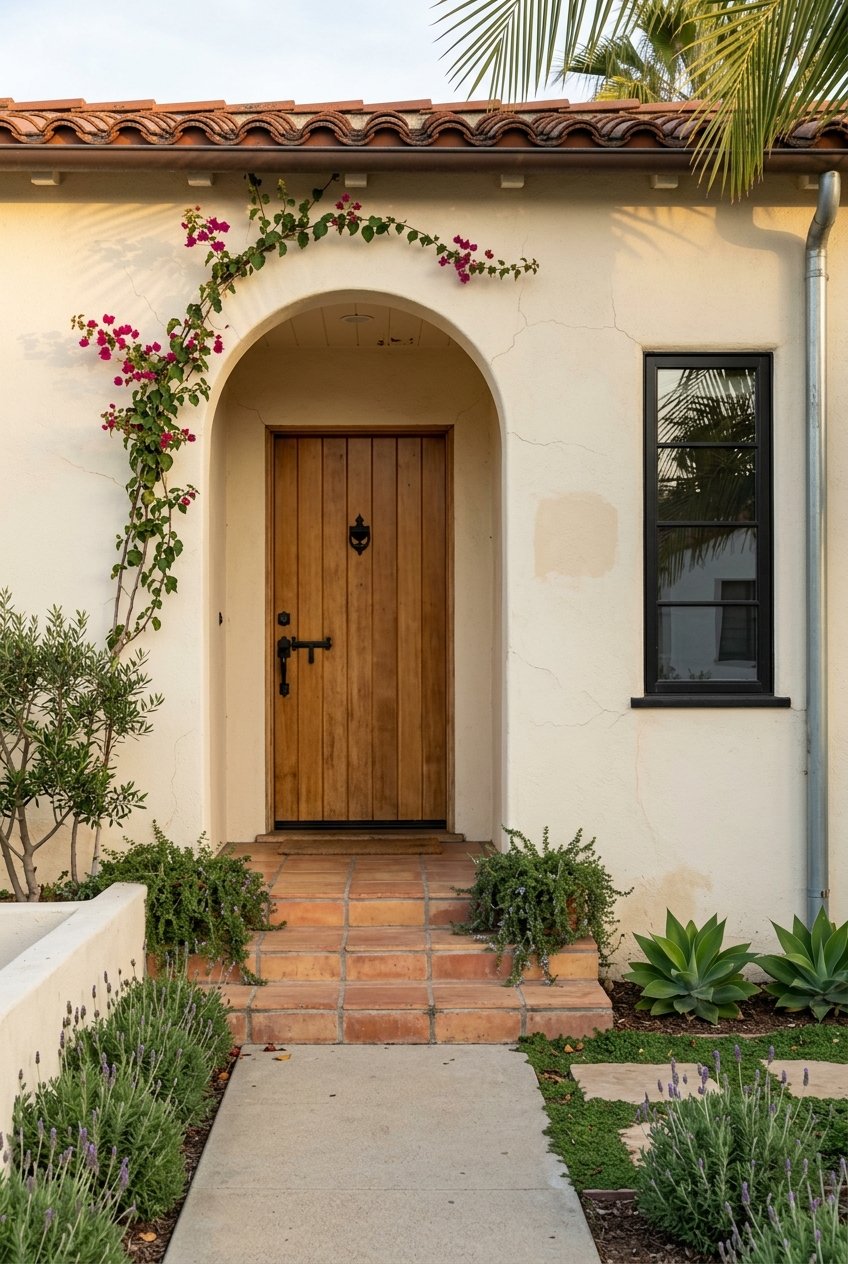
You can find charm in a Summerland fixer-upper fast. The harder part is figuring out whether that charm comes with a manageable renovation plan or a long list of hillside, coastal, and permit-related surprises. If you are thinking about buying a fixer in Summerland, this guide will help you understand what to check, where costs can rise, and how to decide whether the project truly fits your goals. Let’s dive in.
Why Summerland fixers are different
Summerland is not just any renovation market. It is an unincorporated community in southern Santa Barbara County, and local projects often sit within a planning framework that can be more sensitive than a typical inland remodel. According to Santa Barbara County, community plans are part of the broader land-use system, and in coastal areas they may also function as amendments to the Coastal Land Use Plan.
That matters because a fixer-upper here can involve more than paint, flooring, and cabinets. In the Summerland Community Plan area, design review applies to structures, additions, and signs, and the County notes that Boards of Architectural Review help evaluate exterior appearance and neighborhood character.
Start with permit history
Before you get attached to a property, check the paper trail. This is especially important if the home has visible additions, older upgrades, deck work, garage conversions, or other improvements that may not match the original structure.
Santa Barbara County offers permit-status lookup and archived permit records. A quick review can help you spot whether past work appears documented and whether you may need extra diligence before moving forward.
Watch for hillside risks
Many Summerland properties sit on terrain that deserves close review. Santa Barbara County’s subdivision code treats hillside and other special-treatment areas as sensitive because of steep terrain, soils, erosion, flood, fire, slope stability, and scenic conditions.
In practical terms, that means a renovation that looks simple from the street can become much more technical once you start evaluating the site. The County’s special-treatment provisions for hillside areas allow tighter controls on grading, landscaping, cuts, fills, and raw-earth exposure.
Why slope work changes the budget
If a property needs drainage improvements, retaining walls, or grading corrections, your renovation budget can shift quickly. Site work often brings engineering, permits, and additional review, especially when the lot is steep or runoff is a concern.
This is one reason Summerland buyers should separate cosmetic updates from structural and site-related work. New finishes are one category. Stabilizing the land beneath them is another.
Coastal rules can affect your timeline
If the home is in the coastal zone, permits may be more complex than you expect. Santa Barbara County notes that a Coastal Development Permit is generally required unless an exemption applies.
Those exemptions can narrow quickly near wetlands, streams, beaches, environmentally sensitive habitat areas, coastal bluffs, or highly scenic areas. The County also highlights projects that could affect public scenic views from beaches, parks, roads, and viewing areas.
Coastal exposure is more than a view issue
Summerland’s coastal setting is a major draw, but it also creates long-term property considerations. Santa Barbara County’s long-range planning work on coastal resiliency includes sea-level rise and related shoreline hazards along the county’s coastline.
That does not mean every Summerland property has the same level of exposure. It does mean you should treat coastal conditions as part of your due diligence, not just part of the lifestyle appeal.
Moisture should be a top inspection focus
Older coastal homes deserve extra care during inspections. The CDC explains that mold grows where moisture is present, and leaks or condensation can create indoor mold problems.
When you tour a fixer-upper in Summerland, pay close attention to:
- Roof edges
- Windows and flashing
- Deck connections
- Crawlspaces
- Signs of past leaks or staining
- Areas with condensation or musty odors
Moisture issues can stay hidden behind attractive finishes. A home that appears mostly cosmetic may still need meaningful repairs once water intrusion is uncovered.
Common fixer-upper costs to expect
Renovation budgets in Summerland often run higher than national averages because of access, engineering, permit review, and trade coordination. Still, national cost guides can help you build a rough early framework before you gather local bids.
Here are a few useful guideposts from the research:
- Roof replacement: about $5,700 to $16,000 on average nationally, with larger or steeper roofs costing more
- Kitchen remodel: about $15,000 to $50,000 for a full renovation without major structural layout changes
- Bathroom remodel: roughly $3,500 to $25,000+ depending on scope
- Window replacement: about $450 to $1,500 per window on average
- Retaining walls: about $35 to $65 per square foot, with walls over 4 feet often requiring engineering and permits
- Foundation repair: from $250 to $800 per crack for minor repairs to $20,000+ for broader stabilization issues
- Drainage-system installation: commonly $4,000 to $12,000
Which upgrades tend to matter most
Not every renovation dollar carries the same weight. According to the National Association of REALTORS® 2025 Remodeling Impact Report, buyers have become less willing to compromise on condition, and projects like kitchen upgrades, new roofing, and bathroom renovations continue to draw strong demand.
That does not mean every project needs a full top-to-bottom remodel. It does suggest that if you buy a fixer-upper, visible condition and core systems matter a great deal when you eventually sell.
How to tell if the math works
A Summerland fixer usually makes the most sense when the purchase price leaves real room for renovation costs, carrying costs, and permit-related delays. If your scope is mostly cosmetic or limited to clearly defined systems work, your numbers may be easier to manage.
Once the scope expands into retaining walls, foundation issues, grading, or coastal permit complexity, the project can become much harder to underwrite. That is where disciplined due diligence matters most.
Questions to ask before you make an offer
Use this short checklist to pressure-test the deal:
- Does the price discount realistically cover renovation and contingency costs?
- Is there any sign of unpermitted work?
- Will the property likely require design review?
- Is the parcel in the coastal zone?
- Are there slope, drainage, retaining wall, or foundation concerns?
- Does the inspection show moisture or mold risk?
- Can you handle a longer permit timeline if needed?
If too many of those answers are unclear, it may be wise to slow down before removing contingencies.
Buying for your home versus buying for income
Your strategy matters. A fixer-upper can make sense as a primary residence even when the resale math is not perfect, because your decision may include lifestyle, long-term use, and the value of shaping the home to fit your needs.
The same property can look very different as an investment. If you are planning to rent it out, conservative underwriting is important.
Do not assume short-term rental income
If rental income is part of your plan, be careful with assumptions. Santa Barbara County maintains a Short-Term Rental Ordinance through its long-range planning framework, and short-term rental use depends on zoning and permit status.
In other words, you should verify current rules before basing your numbers on vacation-rental income. A property that seems ideal for that use may not align with current local requirements.
The local rental market is thin
Current data also suggest that Summerland is a small and expensive rental market. Realtor.com reports a median rent of about $7.3K and only 7 rentals available as of March 2026.
That does not tell you whether a specific property will cash flow. It does tell you that local rental underwriting should rely on live comparable rentals, not broad assumptions about the wider county.
Who should consider a Summerland fixer-upper
A fixer-upper in Summerland can be a strong fit if you are patient, financially prepared, and comfortable with a more detailed review process. It may be especially appealing if you want a long-term home, appreciate the area’s coastal and hillside setting, and are willing to invest in improvements over time.
It may be less attractive if you need a fast, simple renovation or if your budget does not leave room for surprises. In Summerland, the gap between a manageable project and a difficult one can be smaller than it looks.
A smart approach to buying in Summerland
The best fixer-upper purchases usually begin with clear eyes. You want to understand permit history, likely review requirements, site conditions, and moisture exposure before you focus too much on finishes and floor plans.
This is also where construction-aware guidance can make a real difference. A home with upside is only a good opportunity if you can define the risks early and make decisions with confidence.
If you are considering a fixer-upper in Summerland, Goodwin & Thyne Properties can help you evaluate the opportunity with local market perspective and practical renovation insight.
FAQs
What makes buying a fixer-upper in Summerland more complex than in other areas?
- Summerland fixer-uppers can involve design review, coastal permit requirements, hillside site concerns, and moisture-related risks that may not show up in a more typical inland renovation.
How can you check permit history for a Summerland fixer-upper?
- You can review Santa Barbara County permit-status and archived permit records to help identify documented improvements and spot possible concerns about past work.
What renovation costs should you expect when buying a fixer-upper in Summerland?
- Common cost categories include roofing, kitchens, bathrooms, windows, retaining walls, foundation repair, and drainage work, with hillside and coastal conditions often pushing final costs above national averages.
Should you buy a Summerland fixer-upper as a rental property?
- It depends on the property, but you should underwrite conservatively because short-term rentals are regulated and structural or site-work surprises can quickly change the numbers.
What should you inspect closely in an older Summerland home?
- Focus on roof edges, windows, flashing, decks, crawlspaces, drainage patterns, and any signs of leaks, condensation, or mold-related moisture issues.