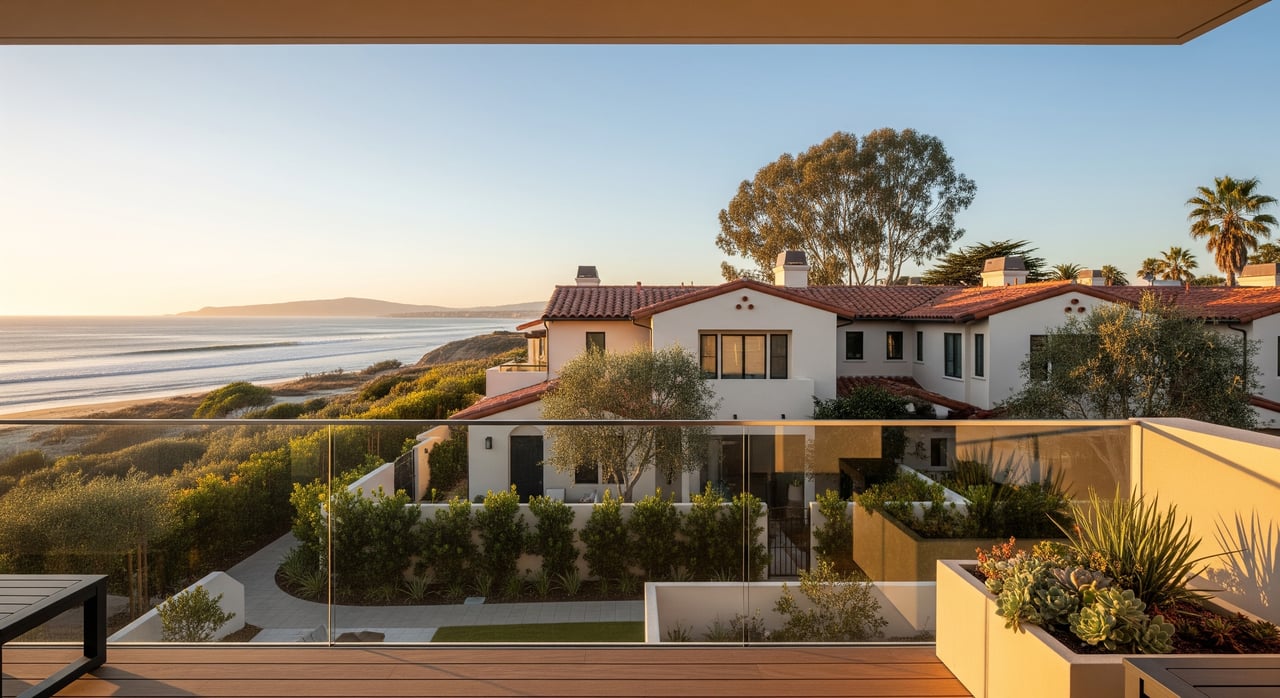
Shopping the Carpinteria coastline and trying to decide between a condo and a PUD? The right choice affects what you actually own, who fixes the roof, how your loan is underwritten, and how coastal rules shape future projects. You want the beach lifestyle with clear costs and fewer surprises. This guide breaks down the practical differences, coastal implications, and a due diligence checklist tailored to Carpinteria so you can move forward with confidence. Let’s dive in.
Quick definitions in California
What is a condominium?
A condominium gives you title to your individual unit plus a shared, undivided interest in the common areas. You typically own the interior space and a fractional interest in the building, land, and amenities. The project is governed by recorded documents such as a condo plan, CC&Rs, and bylaws.
In Carpinteria, condos often appear as low‑rise buildings near the beach with shared entries, hallways, and outdoor spaces. Exterior elements are commonly maintained by the HOA, but you should always confirm responsibilities in the CC&Rs.
What is a PUD?
A planned unit development gives you fee simple ownership of the dwelling and the lot beneath it. You own the structure and land within your lot lines. An HOA still exists, but its role usually focuses on shared roads, landscaping, and community amenities.
PUDs around the Carpinteria coast often look like townhouse clusters or small-lot detached homes. The HOA’s scope varies by community rules, so do not assume maintenance coverage without reading the documents.
Why the difference matters
- Ownership of land: In a condo you typically do not own the land under your unit. In a PUD you generally own your lot.
- Maintenance and control: Condo HOAs often handle the building shell and exterior. PUD owners more often handle their own exteriors and landscaping inside lot lines.
- Financing: Lenders assess condos at a project level, which can restrict loan options if the building has issues. PUDs often underwrite more like single‑family homes.
In California, most condo and PUD HOAs are governed by the Davis‑Stirling Common Interest Development Act. Local coastal rules and permits add another layer in Carpinteria, especially for exterior work.
HOA scope and monthly dues
Typical condo HOA coverage
Condo associations commonly handle exterior building maintenance such as roofs, siding, paint, elevators, and shared hallways. They also insure common elements and often carry a master policy for the building shell. Your unit’s interior finishes and personal property are usually your responsibility.
Monthly dues can reflect the cost of exterior upkeep, professional management, and amenities. On the coast, salt air increases wear, which can raise long‑term reserve needs for items like decks, railings, and building systems.
Typical PUD HOA coverage
PUD HOAs typically maintain common areas such as roads, shared landscaping, parks, and amenities. Owners often handle their own roofs, exterior paint, and landscaping within their lot. However, some PUDs look and act like condos, with HOA coverage extending to major exterior components.
Bottom line: always check the CC&Rs to see who pays for what. The label alone does not tell the full story.
Reserves, dues, and special assessments
Both condos and PUDs should maintain operating budgets and reserve studies for long-term repairs. If reserves are thin, you could see higher dues or special assessments later. Coastal developments tend to face higher reserve needs because of corrosion, accelerated exterior wear, and, in some cases, seawall or bluff stabilization projects.
Review 12–24 months of board minutes and recent financials to spot upcoming projects or assessment discussions. This gives you a better sense of true cost of ownership.
Insurance basics to confirm
- For condos, HOAs usually carry a master policy on the structure and common elements. You typically carry an HO‑6 policy to cover interiors and contents.
- For PUDs, you usually insure your full structure and your lot, while the HOA policy covers common areas.
- Ask for the association’s insurance certificate, coverage limits, and deductibles. Confirm flood and earthquake coverage or exclusions.
Financing and resale reality in Carpinteria
How lenders view condos
Lenders analyze condo projects at a building level. They look at owner occupancy rates, the HOA’s delinquency levels, reserve strength, litigation, and any commercial space. If a project fails certain criteria, financing can be limited or cost more.
Government and agency programs have specific condo rules. FHA and VA often require project approvals or single‑unit alternatives, and Fannie Mae and Freddie Mac have eligibility standards on reserves, insurance, occupancy, and litigation. Lender overlays can be stricter than published guidelines.
Why PUDs can be simpler to finance
Because you own the structure and land, PUDs commonly underwrite like single‑family homes. Lenders still review HOA financials, but project‑level hurdles are usually lighter than for condos. That can mean a broader set of loan options and smoother appraisals in many cases.
Issues that can block condo loans
- High unpaid HOA assessments or owner delinquencies
- Active HOA litigation
- Low reserves or major deferred maintenance
- Excessive commercial space or unusual unit configurations
- High investor or short‑term rental concentration, depending on lender
If you plan to use FHA or VA, or rely on certain conventional programs, verify project eligibility early. It can save time and rework during escrow.
Resale considerations on the coast
Buyer pools differ. Condos attract those prioritizing low maintenance and amenities. PUDs appeal to buyers who want land ownership and more control over exteriors. Short‑term rental rules, HOA restrictions, and local ordinances can affect demand. In Carpinteria’s supply‑constrained beach market, some buildings will always draw attention, but tight lending or restrictive rules can narrow your buyer pool.
Coastal factors you should plan for
Permits and approvals near the shoreline
Exterior work such as balconies, structural changes, or seawall repairs may require both HOA approval and coastal permits. The California Coastal Act and local programs mean certain projects need Coastal Development Permits. Plan for added time and cost when renovating near the beach or on a bluff.
Flood, erosion, and insurance
Coastal properties face salt corrosion, flood risk, and storm exposure. Confirm the property’s flood zone, whether your lender will require flood insurance, and any history of claims. Earthquake coverage is separate in California and can be a smart addition to your risk plan.
Long‑term sea level and bluff stability
Bluff‑top or near‑shore properties can face erosion and evolving policy risk over time. HOAs may need future mitigation or capital projects. That can influence reserves, dues, and resale expectations. Ask for recent reserve studies and capital project plans to understand how the board is planning ahead.
How to choose: lifestyle, control, and costs
Use this quick lens to align the property type with your goals:
You want low exterior maintenance and a turnkey beach base
- Consider condos where the HOA handles building shell, paint, and common areas.
- Review reserves and capital plans to avoid surprise assessments.
You want land ownership and control over your exterior
- Consider PUDs with fee simple lots, where you maintain your structure and landscaping.
- Confirm HOA architectural rules before planning exterior changes.
You value easier financing and wider loan options
- PUDs often underwrite like single‑family homes, which can simplify loan approvals.
- For condos, verify project eligibility with your lender early.
You plan to rent the property at times
- Check HOA leasing rules, minimum lease terms, and any short‑term rental restrictions.
- Confirm city and county ordinances in addition to HOA policies.
Due diligence checklist for Carpinteria buyers
Before touring or making an offer, request and review:
Governing documents
- CC&Rs, bylaws, and articles of incorporation
- Recorded plats and, for PUDs, lot lines and parcel map
HOA financials and health
- Current budget, recent financial statements, and the latest reserve study
- History of assessments and any pending special assessments
- Board meeting minutes from the last 12–24 months
- Certification of insurance, including coverage limits and deductibles
- Any pending or recent HOA litigation
Ownership and title clarity
- Confirm fee simple lot ownership for PUDs versus condo unit ownership
- Parking assignments, easements, and access rights
- Property tax assessment details
Financing and lender fit
- Whether the condo project meets FHA/VA or Fannie/Freddie standards if you plan to use those programs
- Known project‑level concerns such as delinquencies or litigation that could affect financing
- Local lender overlays or product availability for coastal buildings
Physical condition and coastal risk
- Reserve study timelines for roofs, siding, paint, decks, seawalls, and other capital projects
- Flood zone status and any history of storm or water damage claims
- For PUDs, precise owner vs HOA responsibilities for roofs, exterior paint, and landscaping
Use rules and practical matters
- Short‑term rental and leasing restrictions, including minimum lease periods
- Pet rules, noise policies, and exterior modification approval procedures
- Parking allocation and guest parking rules
- Responsibility for trash service and private utility lines
Example scenarios to clarify
Near‑beach condo, low‑rise building
- The HOA covers the exterior, roof, hallways, and common landscaping. You carry an HO‑6 for interior finishes and contents. Financing depends on project health, reserves, and occupancy. Renovations to balconies or exterior elements need HOA approval and may need coastal permits.
Townhouse‑style PUD on a small lot
- You own the unit and the land within your lot lines. The HOA maintains roads and common landscaping. You insure your structure and handle exterior paint and roof, unless the CC&Rs say otherwise. Lender underwriting often resembles a single‑family home. Exterior changes visible to the community need architectural approval and may require local permits.
Next steps
If you are weighing a Carpinteria condo against a PUD, start by aligning ownership style and maintenance comfort with your financing plan. Then request the HOA packet and confirm project health and rules before touring. Finally, factor in coastal permitting and insurance so you know the true carrying costs.
Our team at Montecito Village Realty blends neighborhood insight with construction‑aware guidance, so you can evaluate reserves, exterior scopes, and coastal considerations with clarity. If you would like a tailored shortlist of Carpinteria options and a document review plan, reach out. We are happy to coordinate with your lender and the HOA manager to streamline approvals. Connect with us through our affiliate partner, Goodwin & Thyne Properties, to start a bespoke consultation.
FAQs
What is the main difference between a condo and a PUD in California?
- In a condo you typically own the interior unit and a shared interest in common areas, not the land under your unit. In a PUD you generally own the home and the lot beneath it.
How do HOA dues usually differ for condos vs PUDs near the coast?
- Condo dues often cover building exteriors and shared systems, which can be higher near the ocean due to corrosion and maintenance. PUD dues usually focus on roads, landscaping, and amenities, with owners handling more of their own exterior costs.
Are condos harder to finance than PUDs in Carpinteria?
- Often yes. Condos face project‑level reviews on reserves, litigation, and occupancy that can limit loan options. PUDs commonly underwrite like single‑family homes, which can be simpler with more lender choices.
What HOA issues commonly block condo loans?
- High assessment delinquencies, active litigation, low reserves, excessive commercial space, and high investor concentrations can all create hurdles for condo financing.
Do coastal properties need special permits for exterior work?
- Many exterior changes near the shoreline or on bluffs require HOA approval and may need Coastal Development Permits under local programs, which can add time and cost.
What insurance should I expect to carry for each property type?
- Condo owners usually carry an HO‑6 policy for interiors and contents while the HOA insures the structure. PUD owners typically insure the entire structure and lot, with the HOA insuring common areas.