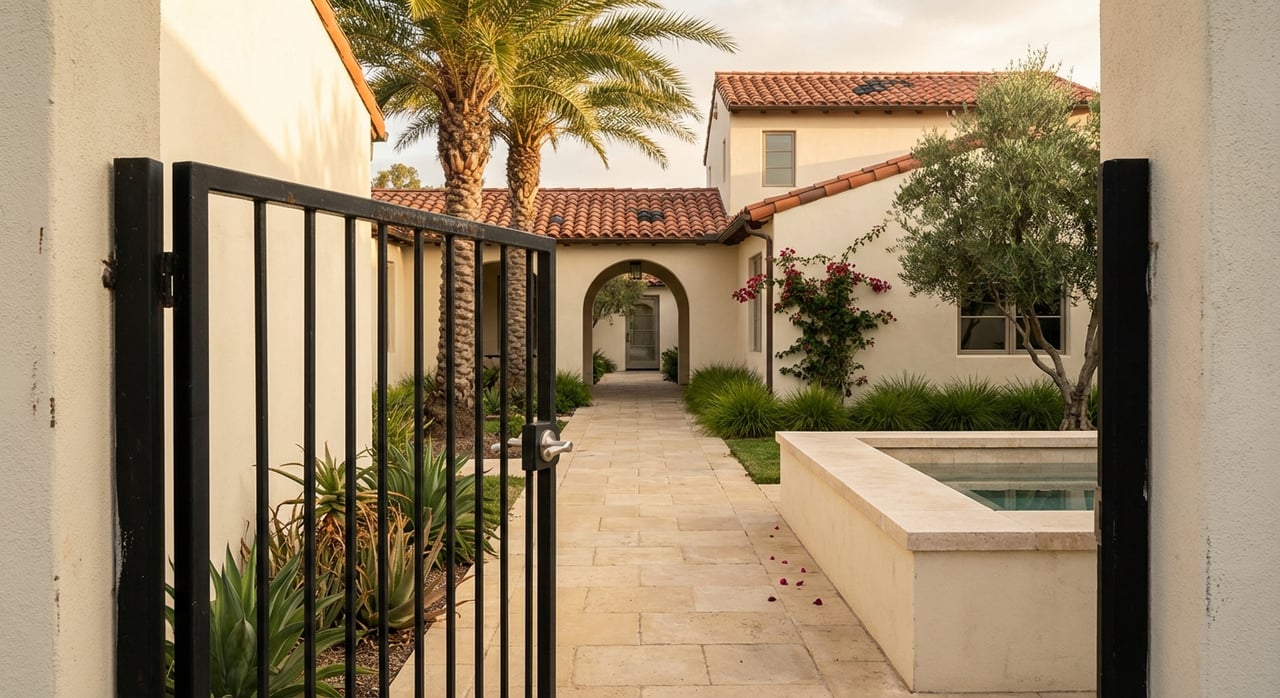
If you love the idea of living on the sand in Montecito but are torn between Montecito Shores and Bonnymede, you are not alone. Both communities offer a rare blend of beach access, security and proximity to the Lower Village. The details are where they diverge. In this guide, you will learn how they differ on building style, parking, amenities, HOA costs, recent sales, and what to watch for when buying in older coastal buildings. Let’s dive in.
Quick take: two oceanfront neighbors
Both communities sit by Butterfly and Hammond’s beaches with guarded, gated entries and manicured grounds. You can reach Coast Village Road in minutes for dining and essentials. Listings and community pages highlight that beach access is either direct or immediate, with village conveniences close by. You can preview the lifestyle and amenities on the Montecito Shores community page for context on the setting and offerings in this enclave.
- For a lifestyle overview, see the community page that outlines beach proximity, pools, tennis, and security features at Montecito Shores: Montecito Shores overview.
Location and walkability
- Beachfront positioning places both communities near the Coral Casino, the historic Biltmore site, and the Rosewood Miramar Beach Resort.
- Most residents find the Lower Village less than a mile away for dining, markets, and services.
- The result is an easy, car-light rhythm: morning beach walks, errands in the Village, and evenings on a private terrace or the shared decks.
Building style and scale
Bonnymede snapshot
- Vintage: commonly cited as mid-1960s.
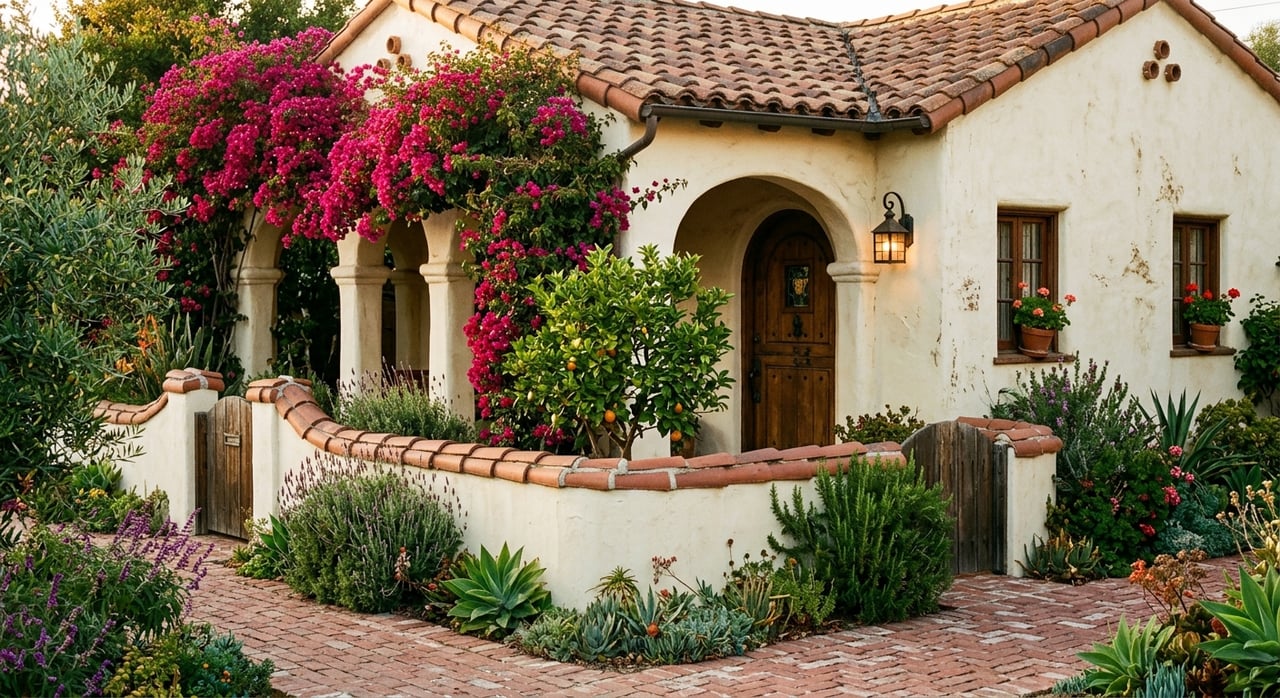
- Form: garden-style buildings arranged around landscaped courtyards and paths.
- Parking: many units feature private garages or assigned garage parking.
- Feel: lower-profile buildings with a courtyard vibe and varied entries.
Montecito Shores snapshot
- Vintage: commonly cited as 1970s, with Spanish-style details.
- Form: mostly three-story buildings with elevator access in several locations.
- Parking: assigned spaces under the buildings, often with elevator connectivity up to the residences.
- Design note: some marketing highlights no shared interior walls between units in specific buildings.
Floor plans and views
Floor plans across both communities range from compact studios to larger two- and three-bedroom layouts, with some homes exceeding 2,000 square feet. Ground-floor units often gain walk-out patios and garden access. Upper levels can trade that for ocean and coastline views. Because orientation and elevation vary, two units with similar square footage can perform very differently on price if one has a wider ocean panorama and updated interiors.
Amenities and lifestyle
- Shared amenities commonly include: a pool and spa, tennis courts, staffed entry, private beach seating or decks, and lush, mature landscaping.
- Montecito Shores tends to emphasize Spanish-style architecture, subterranean or under-building assigned parking and elevators.
- Bonnymede materials often highlight garden courtyards, a beachside entertainment deck, rose gardens, and private garages for many homes.
You can explore an amenity overview and community context here: Montecito Shores amenities and setting.
Security and access
Both communities market guarded and gated entries with controlled access. Always confirm gate staffing hours and guest procedures in the HOA rules or by contacting the association.
Parking differences
- Bonnymede: many residences offer private garages or assigned garage stalls.
- Montecito Shores: parking is typically assigned beneath the buildings with elevator access to several buildings.
If you value a private garage for storage or a workshop corner, Bonnymede may appeal. If you prefer single-level living with elevator service, Montecito Shores can be a fit.
HOA fees and rules
Published examples show ballpark differences in dues, though each unit varies by size, coverage and timing.
- Montecito Shores: example monthly fee cited around the mid $1,700s for a specific unit.
- Bonnymede: example monthly fee cited around the mid $1,400s for a specific unit.
These are illustrative only. Always confirm current dues, coverage and any special assessments in the resale packet. For community context and documents that are publicly posted, see the Montecito Shores materials, including the Association Rules and CC&Rs.
Required documents in California
Under the Davis–Stirling Common Interest Development Act, sellers must provide a comprehensive set of HOA disclosures for condo buyers. This packet includes governing documents, financial statements, reserve information, insurance summaries, and any litigation disclosures. It is your primary source for dues, reserves, rental rules, pet policies and more. Review the statute for what must be delivered: California Civil Code §4525.
Prices and recent sales
In both enclaves, condition and views drive large price spreads.
- Montecito Shores: recent examples include 55 Seaview Drive, which closed in May 2024 at about $3,150,000 for a remodeled 2-bedroom, and 84 Seaview Drive, which closed in January 2025 at about $5,900,000 for a larger ocean-view plan. See the public snapshots for 55 Seaview Drive and 84 Seaview Drive.
- Bonnymede: a smaller studio-style home at 1345 Plaza de Sonadores reportedly closed around $1,835,000 in April 2025, while larger or renovated residences have sold materially higher.
Takeaway: a wider ocean panorama and recent remodeling can move prices by several million dollars, even within the same complex. If you are comparing units, weigh orientation, level, interior upgrades and parking side by side.
Financing and insurance
Beachfront, older condominium projects face extra lender and insurance scrutiny. Many lenders require the building to meet standard project eligibility rules regarding reserves, owner-occupancy, insurance coverage and litigation status. A project deemed non-warrantable can limit conventional financing options. Ask your lender to run a project eligibility check early. For a plain-language overview of conventional condo standards, review this condo project lending guide.
Insurance is also a key line item. You will want to confirm the HOA’s master policy limits and deductibles, then price your HO-6 policy with the right endorsements. Coastal settings can influence availability and premiums, especially where wind, flood and seismic risk intersect. Build quotes into your numbers before you write an offer.
Coastal building due diligence
Oceanfront exposure is part of the magic, and it also requires informed maintenance and risk planning. Integrate the checks below into your offer timeline.
- HOA packet: request the full resale or estoppel packet early. It should disclose dues, any special assessments, litigation and insurance details. See Civil Code §4525 requirements.
- Reserves and minutes: review the latest reserve study, budget and 12 months of board minutes for planned projects or recent major repairs.
- Water intrusion and exterior elements: balconies, stucco, sliders and roof flashings work hard near the ocean. Ask for recent maintenance reports or contractor invoices, and bring in a qualified inspector if you have concerns.
- Corrosion and mechanicals: salt air accelerates corrosion in concrete and metal, as well as elevator and exterior hardware. A technical overview of coastal loading and durability considerations appears in this engineering resource: Building Designer’s Guide to Calculating Flood Loads.
- Seismic and soft-story risk: older buildings with open first floors or wide parking bays can have seismic vulnerabilities. Have an engineer review available structural reports if requested by your lender or insurer.
- Flood and coastal hazards: confirm the FEMA zone for your building and consider an elevation certificate for ground or lower levels. Map your location here: FEMA Flood Map Service Center.
- Insurance fit: verify the HOA’s master policy meets lender requirements and price your HO-6 before contingencies expire.
- Warrantability: have your lender check project eligibility early to avoid surprises. A quick overview is here: conventional condo project standards.
Quick buyer checklist
Use this as a quick reference while you compare communities and individual units.
- Request the full HOA resale or estoppel packet under California Civil Code §4525.
- Ask for the latest reserve study, operating budget and 12 months of board minutes.
- Confirm the HOA insurance declaration, master limits and deductibles. Note any required HO-6 endorsements.
- Check for pending or recent special assessments, planned major projects and any litigation.
- Hire a contractor or engineer to inspect balconies, terraces, parking structures and visible concrete or steel.
- Get lender pre-qualification that includes a condo project eligibility review.
- Check FEMA flood zone and consider an elevation certificate for lower levels. Get flood insurance quotes early.
Which fits your lifestyle
- Choose Bonnymede if you value garden-style living and the possibility of a private garage. The lower-rise setting and courtyard feel are distinct and can be ideal if you want easy access to outdoor paths and a more dispersed layout.
- Choose Montecito Shores if elevator access, assigned under-building parking and a Spanish-style, three-story format align with your preferences. Upper floors often gain commanding ocean views, which can justify premium pricing.
The right fit often comes down to which combination of view, floor level, parking type and remodeling scope matches your priorities. If you narrow to a few candidates, a line-by-line comparison of HOA health, insurance, reserves and unit condition will clarify value.
Next steps
If you are weighing specific units in Montecito Shores or Bonnymede, we can help you compare apples to apples. Our team will line up the HOA packet, review reserves and insurance, and assess condition and value, including strategic upgrades. Ready to explore with a local, construction-aware guide? Connect with our boutique team at Montecito Village Realty. We proudly partner with Goodwin & Thyne Properties to deliver elevated service with the scale you need.
FAQs
What are the main differences between Montecito Shores and Bonnymede condos?
- Bonnymede offers a mid-1960s garden-style layout with many private garages, while Montecito Shores is a 1970s Spanish-style enclave with three-story buildings, elevators and assigned under-building parking.
How close are these communities to the beach and the Lower Village in 93108?
- Both sit at the beach with immediate access to Butterfly and Hammond’s and are minutes from Coast Village Road for dining and shopping, as outlined on the Montecito Shores community page.
What are typical HOA dues for Montecito Shores and Bonnymede?
- Recent public examples show Montecito Shores in the mid $1,700s per month for one unit and Bonnymede in the mid $1,400s for another, but you must confirm current figures in the HOA resale packet.
How do views and remodeling affect pricing in Montecito beachfront condos?
- Ocean exposure and updated interiors can move values by several million dollars within the same complex, as shown by sales like 55 Seaview Drive and 84 Seaview Drive in Montecito Shores.
What due diligence is essential for older coastal condos in Santa Barbara County?
- Review the HOA resale packet, reserve study and minutes, confirm insurance and lender warrantability, inspect for corrosion and water intrusion, and check the FEMA flood zone at the FEMA Flood Map Service Center.